How Podcasts and Videos Can Revolutionize Your Studying
 0
0
 0
0
Most students treat studying as a reading-and-highlighting exercise. They sit down with a textbook, work through dense paragraphs, and wonder why the information slides right back out. The problem is often the format, not the effort. Audio and video learning can break that cycle, and when you use these tools with intention, they transform how quickly and deeply you absorb material.
Why Your Brain Responds Differently to Audio and Video
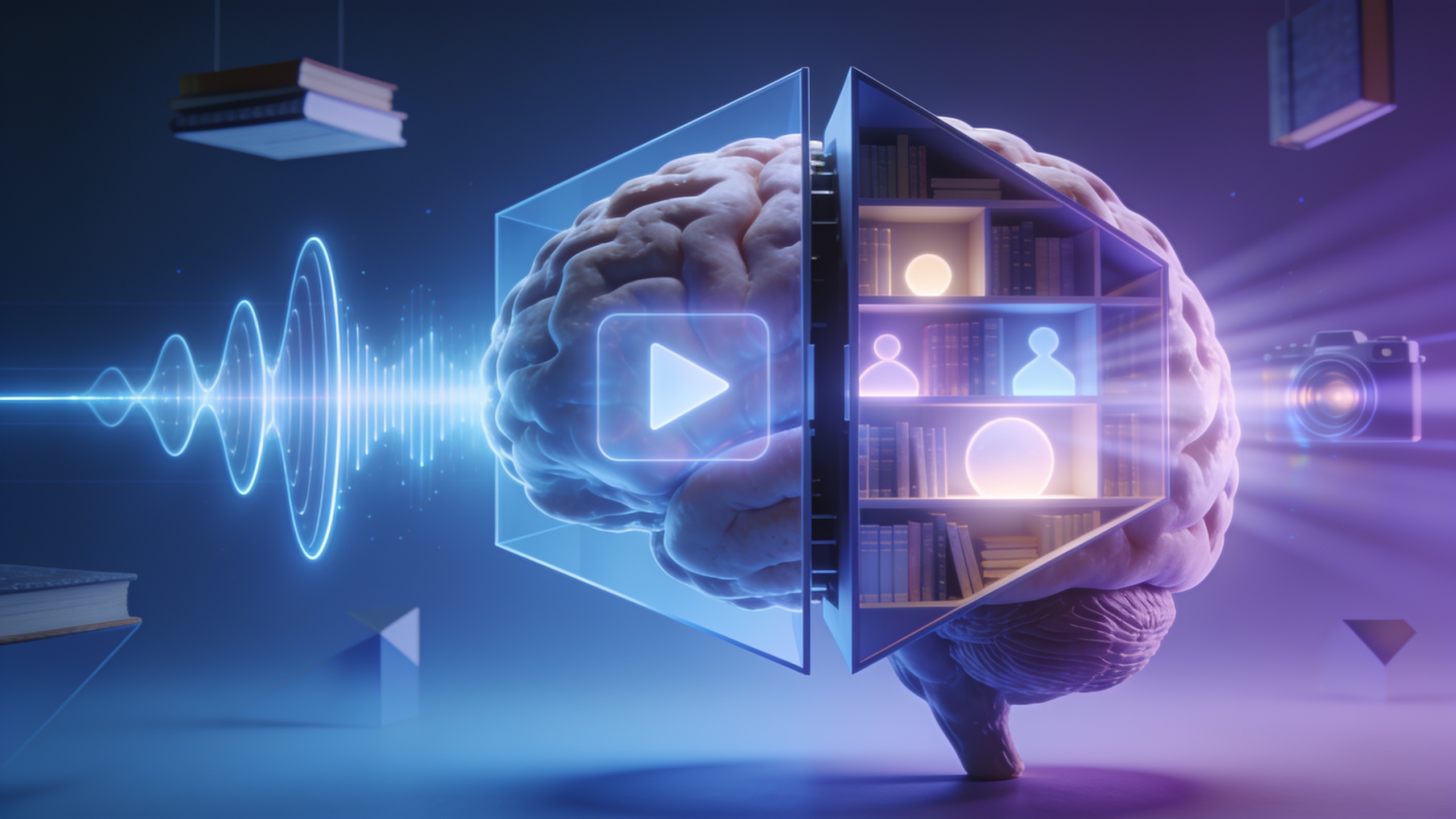
Reading text activates specific cognitive pathways. Listening and watching activates others. When you combine both, you create what learning researchers call “dual coding,” the process of encoding information through two separate channels simultaneously. The result is stronger memory retention and faster recall.
A well-produced podcast episode mimics a conversation between experts. Your brain processes conversational speech as socially meaningful, which keeps attention sharper than staring at static text. A clear video demonstration shows you relationships, spatial structures, and processes that a written description struggles to convey in under 500 words.
Neither format replaces deliberate practice or deep reading. Both formats accelerate your first pass through difficult material and fill in conceptual gaps that textbooks leave behind.
Choosing the Right Format for the Right Subject
Audio and video each have strengths. Matching the format to the subject is half the battle.
| Subject Type | Best Format | Why It Works |
|---|---|---|
| History, economics, philosophy | Podcasts | Narrative and argument translate well to speech |
| Biology, chemistry, engineering | Videos | Diagrams, animations, and lab demos clarify process |
| Language learning | Both | Pronunciation from audio, script and context from video |
| Math and statistics | Videos | Step-by-step worked examples need a visual track |
| Literature and theory | Podcasts | Discussion-based analysis builds interpretive thinking |
The table is a starting point, not a rule. A history lecture video from a university professor can be extraordinary. A podcast that walks through mathematical proofs with clear verbal logic can work well for auditory learners. Test formats against your own retention, then commit.
How to Actually Learn From a Podcast (Active Listening Works)
Passive listening is entertainment. Active listening is study. The distinction matters.
Here is how I approach a study podcast:
- Write a two-sentence summary of the episode before I press play, based on the title and description. This primes my brain to filter for relevant information.
- Pause every 10 to 15 minutes and speak the key ideas aloud in my own words. This forces retrieval, the single most effective memory technique we have.
- Keep a running note of any term, name, or concept I want to look up after the episode ends.
- On a second pass, play at 1.25x speed to compress review time while reinforcing the material.
Podcasts worth knowing about for serious learners include “Philosophize This!” for philosophy, “Hardcore History” for deep historical context, and “The Moth Radio Hour” for understanding narrative structure in writing. For science, “In Our Time” from the BBC covers topics from quantum mechanics to the Roman Empire with genuine academic depth.
Getting More From Educational Videos
YouTube is the largest free educational library ever assembled. The challenge is separating signal from noise and then actually retaining what you watch.
The Cornell note-taking method adapts well to video. Divide your page into two columns. On the right, write notes as the video plays. On the left, write questions that those notes answer. After the video ends, cover the right column and use the left-column questions to test yourself. Five minutes of self-testing after a 20-minute video is worth more than watching the video twice.
Speed control is your friend. Watch new material at 1x speed to absorb it properly. Review familiar content at 1.5x or 2x. Most platforms support this, and it cuts your total study time by 30% or more on review passes.
Channels that deliver real academic value include 3Blue1Brown for mathematics, CrashCourse for structured overviews across subjects, and Kurzgesagt for visual explanations of complex science. For university-level content, MIT OpenCourseWare and Yale’s Open Courses on YouTube provide full lecture series from faculty who have spent careers on these topics.
Building a Podcast and Video Study Routine
Random consumption produces random results. A structured weekly routine produces compounding gains.
I recommend a “pre-load, then deep study” structure. Before you sit down with your textbook or course materials on a topic, spend 20 to 30 minutes with a podcast or video on that subject. You build a mental scaffold. Then when you read the dense material, the abstract terms have context attached to them.
After your deep study session, use a short video as a review tool. Pick a 10-minute explainer on the same topic and watch it with your notes closed. Any gap between what the video covers and what you can mentally follow tells you exactly where to go back.
For language learners, daily podcast exposure is a practice on its own. Even 20 minutes of a native-speaker podcast each morning, combined with subtitled video content in the evening, builds listening comprehension faster than any textbook-only approach.
Key Takeaways
- Match the format to the subject. Visual processes belong on video. Argument and narrative belong on audio.
- Active engagement separates study from passive consumption. Pause, summarize, retrieve.
- Use the “pre-load” method to build context before you tackle difficult reading.
- Self-testing after a video is more effective than rewatching.
- Consistent daily exposure, even in short sessions, builds knowledge faster than long irregular marathons.
Start this week with one change. Pick a subject you are currently studying, find a well-reviewed podcast episode or video lecture on that topic, and listen with a notepad open. Apply retrieval practice at the end. You will notice a difference in how the material sits in your memory by the time you review it 24 hours later.