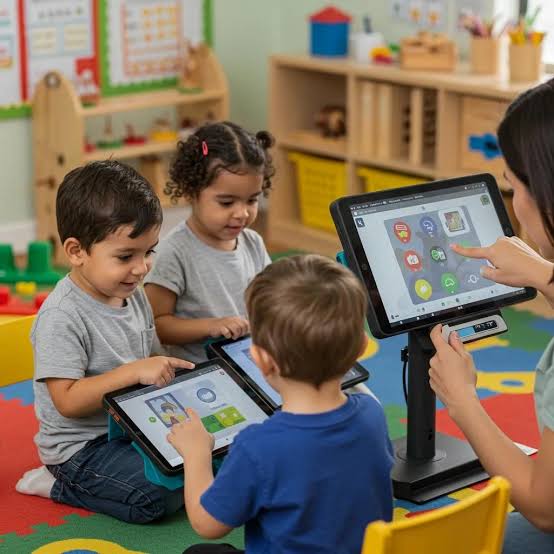
Non-Formal Learning Methods for Students: Approaches, Strategies, and Resources
Free, research-backed guides on non-formal education, collaborative learning, and student motivation – everything teachers, educators, and school staff need to reduce early school leaving and re-engage disengaged learners.
You don’t need a complicated curriculum reform or a full institutional overhaul to make a real difference in student motivation. You need clear methods, tested examples, and a willingness to move beyond traditional classroom walls. That is what CARMA is built for. Funded by the Erasmus+ Programme and implemented across 7 European countries – Austria, Belgium, France, Italy, Portugal, Spain, and Turkey – CARMA explored how non-formal learning approaches, including the Reciprocal Maieutic Approach (RMA), can help schools foster genuine participation, reduce dropout rates, and reach learners that classical methods have left behind. Here you will find free, practitioner-focused resources written for teachers, school coordinators, and education professionals who want practical answers, not academic abstractions.
LATEST POSTS
-

5-Minute Non-Formal Learning Habits for Busy Students
You have five minutes. Maybe you’re waiting for a lecture to start, riding the bus, or standing in line for coffee. Most students burn those minutes on social media. The students who compound their knowledge fastest treat those gaps differently. Non-formal learning, meaning self-directed study outside structured coursework, builds skills and knowledge that formal education…
-

How to Mix Formal and Non-Formal Study Methods
Most people treat formal and non-formal learning as separate tracks. You either enroll in a course or you watch YouTube videos. You read a textbook or you listen to podcasts. That split is artificial, and it costs you time and depth. The learners who move fastest are the ones who blend both approaches with intention.…
-
Why Experiential Learning Is the Quickest Way to Understand
There is a gap between knowing something and understanding it. You can read every book on riding a bicycle, memorize the physics of balance, and still fall the moment you sit on the seat. That gap closes only when you do the thing. Experiential learning is the process that bridges theory and real understanding, and…
Non-Formal Learning
Methods, Tools, and Approaches
Collaborative Strategies
Engage, Include, Empower
Resources and Results
Downloads, Reports, Activities
ABOUT
CARMA began as a 34-month Erasmus+ research and practice initiative, coordinated by CESIE and carried out by a consortium of partners across Europe. The project’s starting point was a shared concern: too many students were leaving school early, and classical teaching methods were not reaching them. CARMA set out to change that by bringing non-formal learning approaches – especially the Reciprocal Maieutic Approach – into formal school environments. What emerged was a body of tested methods, practical toolkits, and collaborative frameworks that educators can use directly in their work. This blog continues that mission. It is a space for teachers, school counselors, and education professionals who believe that motivation is not a student problem – it is a design problem. No gatekeeping, no jargon overload, no content locked behind registration walls. Just clear, evidence-informed guidance from a project that spent three years working with real learners across Austria, Belgium, France, Italy, Portugal, Spain, and Turkey.
NEWSLETTER
One non-formal learning idea a week, straight to your inbox.
Get one free, practical resource on student motivation, collaborative learning, or non-formal education methods every week – no spam, no filler, unsubscribe anytime.