Why Experiential Learning Is the Quickest Way to Understand
 0
0
 0
0
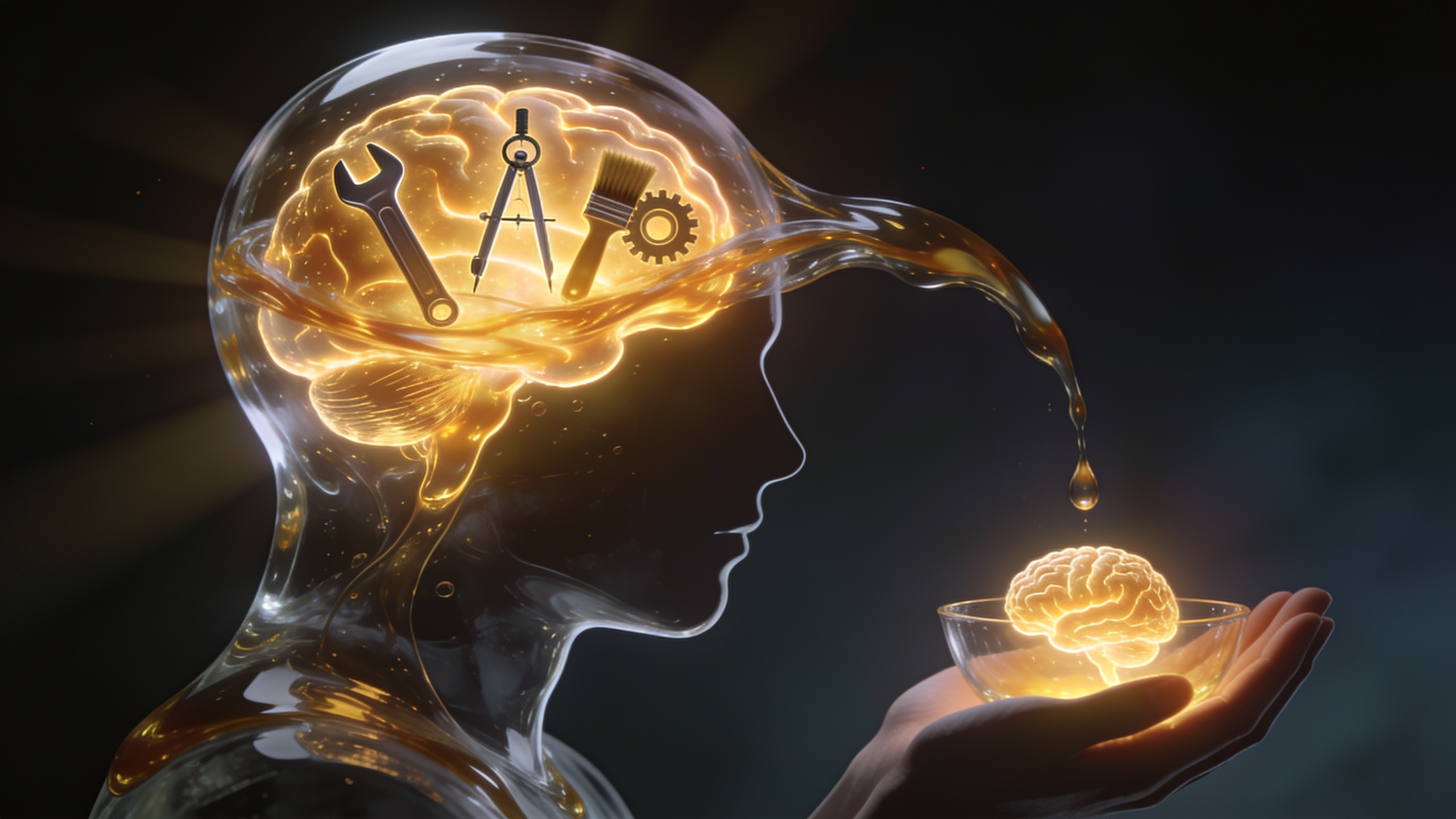
There is a gap between knowing something and understanding it. You can read every book on riding a bicycle, memorize the physics of balance, and still fall the moment you sit on the seat. That gap closes only when you do the thing. Experiential learning is the process that bridges theory and real understanding, and I believe it is the fastest route to competence that exists.
What Experiential Learning Actually Is
Experiential learning is learning through direct experience, followed by reflection on that experience. The psychologist David Kolb formalized the idea in 1984 with his four-stage cycle: concrete experience, reflective observation, abstract conceptualization, and active experimentation. The cycle keeps turning. Each pass deepens understanding in a way that passive absorption cannot match.
The key distinction is engagement. Reading and listening place information in short-term memory. Doing something with that information, making decisions, feeling consequences, correcting mistakes, moves it into long-term memory and builds the neural pathways that produce skill.
Why the Brain Learns Faster Through Experience
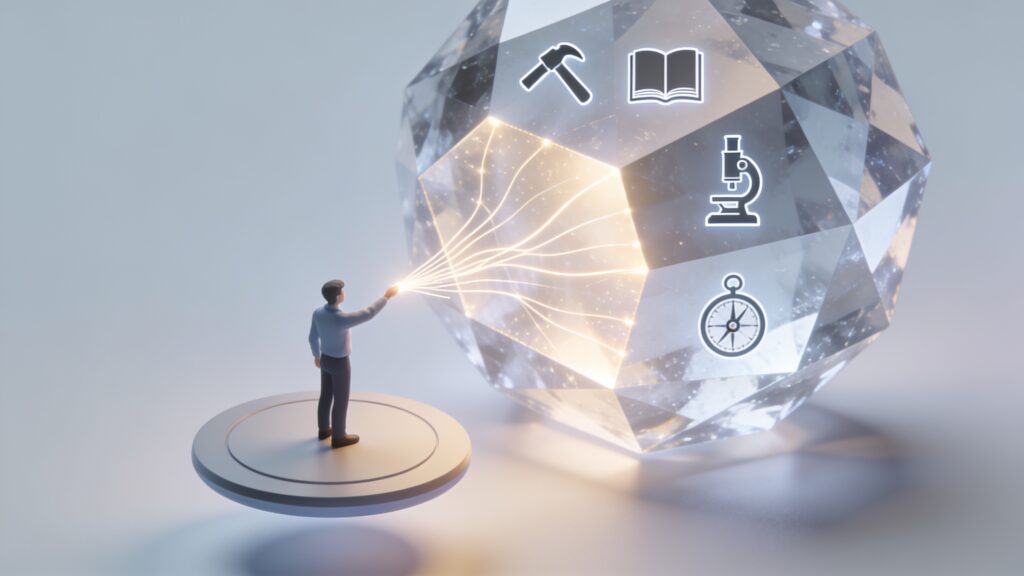
The brain processes experience differently from instruction. When you act in a real or simulated environment, multiple systems activate at once. Motor memory, emotional response, sensory input, and cognitive processing all fire together. That multi-channel activation makes memories stickier and recall faster.
Research from the National Training Laboratories in Bethel, Maine, produced what is widely known as the “Learning Pyramid.” The retention rates are striking.
| Learning Method | Average Retention Rate |
|---|---|
| Lecture | 5% |
| Reading | 10% |
| Audiovisual | 20% |
| Demonstration | 30% |
| Discussion group | 50% |
| Practice by doing | 75% |
| Teaching others | 90% |
Practice by doing and teaching others sit at the top because both require active reconstruction of knowledge. You cannot fake understanding when you have to apply it or explain it.
The Role of Failure in Fast Learning
Failure is the accelerant. When an action produces an unexpected result, the brain flags that moment as significant. Surprise triggers deeper encoding. A mistake made at the moment of genuine effort leaves a stronger trace than a warning read in advance.
This is why flight simulators work so well. Pilots experience catastrophic engine failure, hydraulic loss, and bird strikes in a controlled environment. The emotional reality of those simulated crises, the urgency, the problem-solving under pressure, builds competence that classroom study alone cannot produce. When the real event happens, the pilot has already survived a version of it.
The lesson is direct. Protect learners from real danger, but expose them to simulated consequence. A training environment that removes all risk of failure removes the main engine of rapid learning.
Experiential Learning in Practice: Three Domains
Professional Skills
In professional training, role-play and live case work consistently outperform case studies read passively. A medical student who runs through a patient consultation with a trained actor learns more in 30 minutes than in two hours of watching a recorded example. The feedback is immediate. The embarrassment of a missed question is felt. Both of those factors drive rapid adjustment.
Language Acquisition
Immersion is the gold standard of language learning because it is pure experiential learning. Living in a country forces constant real-time processing: listening, decoding, forming responses, and reading emotional cues. Adults who spend three months immersed in a language typically progress faster than students who spend three years in classroom instruction. The mechanism is the same. Consequence, immediate feedback, and repetition under real conditions.
Creative and Technical Skills
Writers improve fastest when they write for real readers, submit work, and receive actual rejection or acceptance. Developers improve fastest when they build things that real users interact with. The pattern repeats across every creative and technical domain. Real stakes, even modest ones, compress the learning timeline dramatically.
How to Apply Experiential Learning Deliberately
The Kolb cycle gives a practical framework, but most people skip the reflection stage. That is the mistake. Experience without reflection is just activity. The reflection stage is where you extract transferable principles from specific events.
Here is a simple process I use and recommend to anyone trying to accelerate their own development:
- Act in a real or realistic situation, as early in the learning process as possible.
- Write down exactly what happened and what you expected to happen.
- Identify the specific gap between expectation and result.
- Form one clear hypothesis about why the gap existed.
- Design the next attempt around testing that hypothesis.
- Repeat.
That loop, when followed with discipline, produces measurable improvement far faster than passive study. The writing step is critical. It forces the abstract conceptualization that converts raw experience into reusable knowledge.
The Limits to Respect
Experiential learning is fast, and it has real constraints. Some knowledge must precede experience, because entering a complex environment without baseline understanding produces confusion rather than learning. A beginner surgeon cannot learn in the operating room. A baseline of procedural knowledge must come first.
The principle is to reduce the passive phase to the minimum necessary and expand the active phase as early as it is safe to do so. Most educational systems do the opposite. They extend the passive phase far beyond what the evidence supports, then expect learners to perform in the real world with minimal experience. The result is slow development and high anxiety.
Key Takeaways
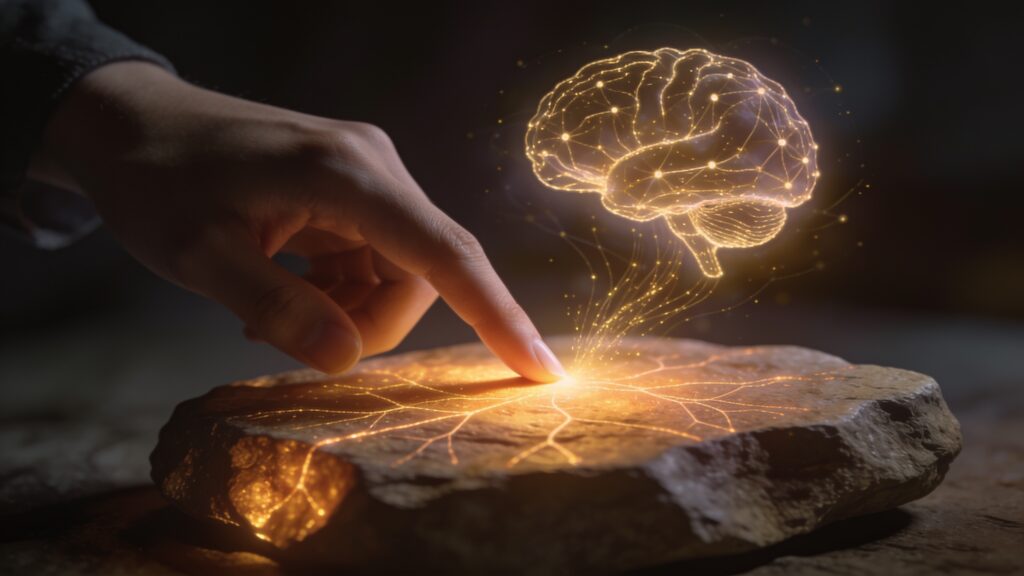
Experiential learning accelerates understanding because it activates multiple brain systems at once, because failure under real conditions encodes lessons deeply, and because reflection converts experience into transferable knowledge. The Kolb cycle is a tested framework. The Learning Pyramid shows that practice by doing retains 75% compared to 5% for lecture. The gap between knowing and understanding closes through action, adjusted through reflection, repeated deliberately.
If you are designing a training program, a curriculum, or your own self-development plan, move the hands-on phase earlier. Cut the reading phase shorter. Build in structured reflection after each active session. That shift alone will compress your learning timeline in ways that most people have never experienced.